The 5 Most Accessible Websites of 2026 on Xperience by Kentico


Key Takeaways
- Accessibility compliance is critical in every industry and market.
- Under the ADA, US government websites must meet WCAG 2.1 AA by April 2027 or 2028.
- Most global accessibility laws point to WCAG, so WCAG 2.2 AA is the safest target.
- Accessible sites need alt text, color contrast, clear headings, and keyboard access.
- Accessibility is ongoing: every new page or widget can introduce new barriers.
Meeting accessibility requirements goes beyond ticking a box for compliance, and these websites are good examples of accessible websites that show their visitors they truly care. Accessibility features help visitors with disabilities (like visual or hearing impairment) navigate and understand your site. But one of the best things about accessibility features is that they have the potential to improve your connection with every single one of visitors. A site that works with a screen reader, a keyboard, captions, or plain language works better for everyone else too.
Below are our top five Xperience by Kentico sites that show what strong accessibility looks like in practice, pulled from our Site of the Month winners and customer stories from the past year, to serve as inspiration for your site going into 2027.
The ADA and other global web accessibility laws
As you'll discover in our top websites for accessibility to follow, it's a priority regardless of your organization's industry or location whether you've got a global audience or not. The Americans with Disabilities Act (ADA), for example, is a US civil rights law that bans discrimination against people with disabilities, including online. Government websites must meet WCAG 2.1 AA by April 2027 or 2028, and most businesses have chosen to follow the same standard.
Elsewhere, the European Accessibility Act (in force since June 2025), the UK Equality Act, the Accessible Canada Act, and Australia's Disability Discrimination Act set similar rules. Nearly all point to WCAG, so WCAG 2.2 AA is the safest target in every market.
What should an accessible website include?
It's best to build your site with accessibility from the start, but of course, it's never too late to implement changes to meet the standards! Do keep in mind though, if you're about to start a web design project, that guidance from the W3C Web Accessibility Initiative recommends checking accessibility early and preferably throughout a project to avoid design decisions that could be difficult to change later due to cost or team capacity.
Here's what you need to consider for accessibility:
- Alt text at the source: A short text description attached to each image, so screen readers can describe it to people who can't see it.
- Role-based editing: Permissions and review workflows that control who can publish what, so content is checked for accessibility before it goes live.
- Design systems built from reusable components: A library of pre-built, accessible page elements that editors reuse instead of building layouts from scratch.
- Color contrast: Enough difference between text and background colors for people with low vision to read the text easily.
- Clear heading structure: Headings used in logical order (H1, then H2, then H3), so screen reader users can scan and navigate a page.
- Labeled forms, links, and buttons: Clear text on every form field, link, and button that says what it is or where it goes.
- Keyboard access and skip links: Every part of the site works without a mouse, with a visible focus indicator and a link to skip straight to the main content.
- Captions, transcripts, and audio: Text versions of video and audio content, and audio versions of written content, for people who can't hear or have trouble reading.
- Plain language: Short sentences and everyday words that make content easier to understand for everyone.
- Native HTML before WAI-ARIA: Standard HTML elements, which assistive technology understands by default, used before adding extra WAI-ARIA code used for screen readers and other tools.
Remember that even after standards are met, accessibility is always a work in progress. Every new page, image, video, or widget could pose issues, so it works best to consider accessibility as an ongoing practice. The websites we've compiled take this approach to accessibility; ensuring that every new detail is always accessible.
A quick look at the 5 most accessible websites of 2026
| Organization | Country | Project Type | Partner | Accessibility result |
|---|---|---|---|---|
City of Melville | Australia | End-of-support CMS | ALYKA | WCAG 2.2 compliance up from 80% to 92% |
Office of Major Infrastructure Delivery (OMID) | Australia | Brand new site launch | ALYKA | 91% accessibility score at launch, multilingual |
Clearview Federal Credit Union | US | Migration | Americaneagle.com | WCAG 2.1 A/AA compliance |
QCEIDAH | Australia | WordPress | Zeroseven | Easy read and plain English options |
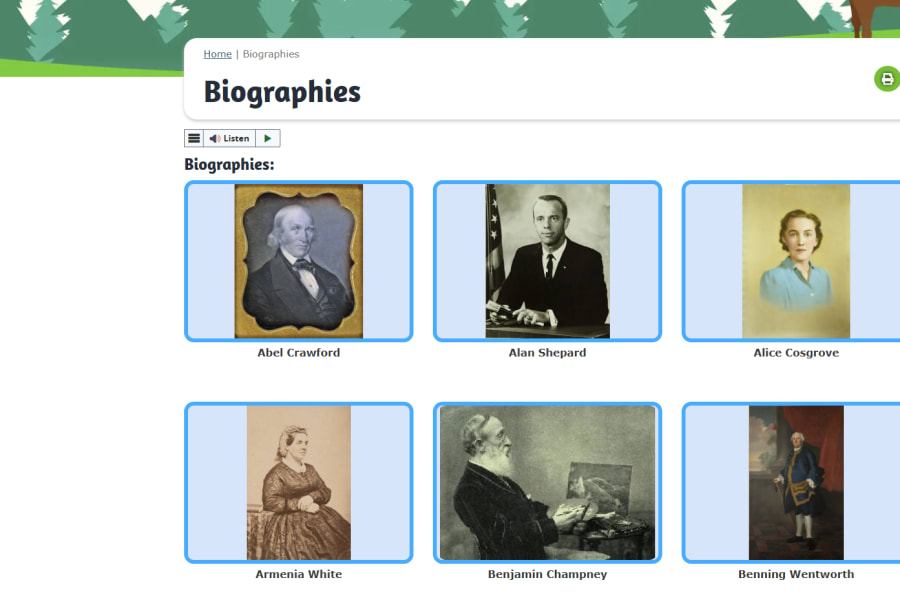
Moose on the Loose | US | Older Xperience by Kentico version | SilverTech | ReadSpeaker text-to-audio with highlighting |
1. City of Melville: WCAG 2.2 compliance increase from 80% to 92%
What they did: made web accessibility a launch requirement for their redesign.
Get inspired: write accessibility into the project brief, and record a baseline score before you migrate so you can measure the audience impact.
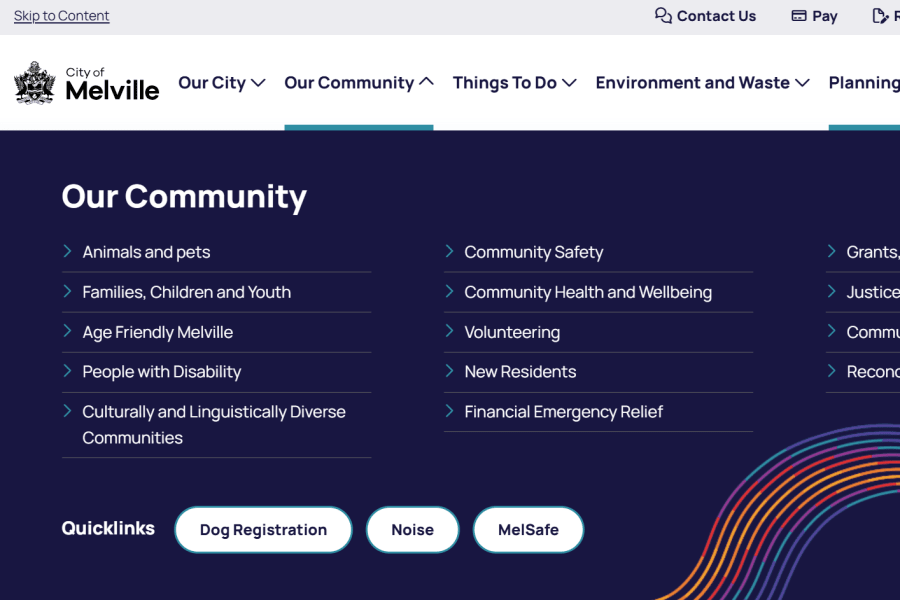
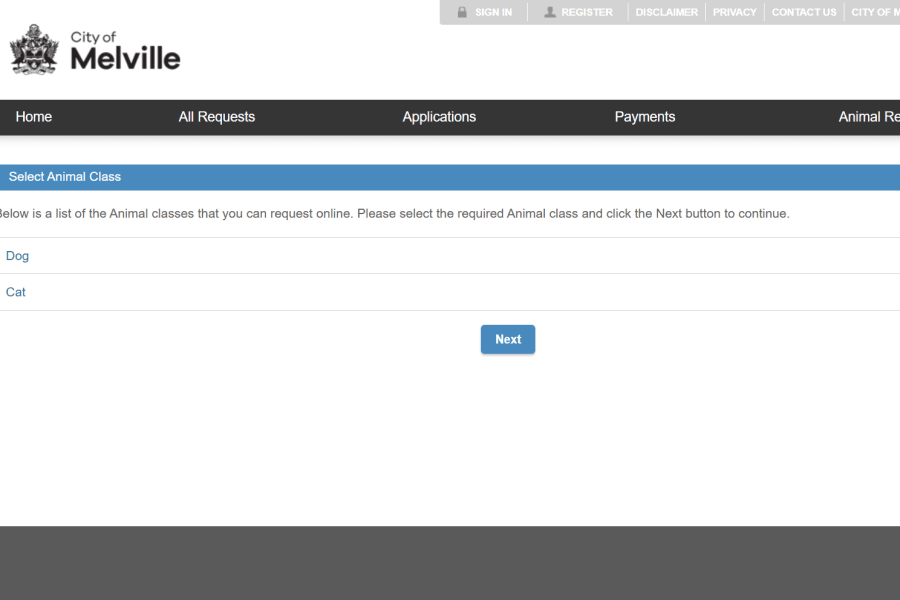
The City of Melville, a local government authority in Western Australia, was running an end-of-support CMS that posed security risks. Partnering with ALYKA, they redesigned and upgraded to Xperience by Kentico SaaS, prioritizing security, content governance, web accessibility, and resident self-service from the ground up. Residents can now register a dog, apply for permits, pay invoices and fines, and report issues online. A Content Hub organized by department keeps a large editor team consistent. After launch, WCAG 2.2 compliance rose from 80% to 92%, file downloads increased 69.7%, and sessions grew 23.5%. City of Melville was named Site of the Month in May 2026.



2. Office of Major Infrastructure Delivery (OMID): a 91% accessibility score at launch
What they did: launched a brand-new government site that was accessible and multilingual from day one.
Get inspired: pair icons with text labels and offer options for text resizing.
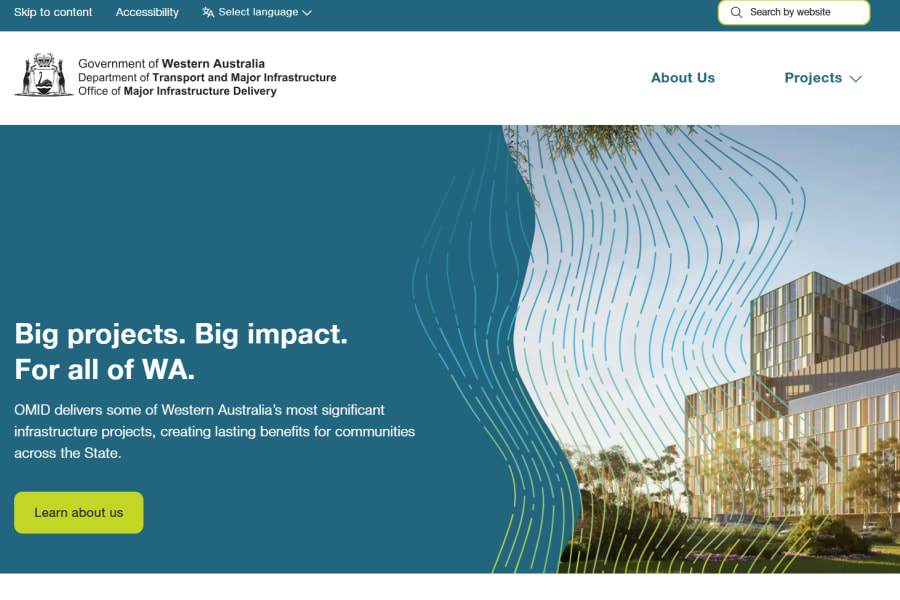
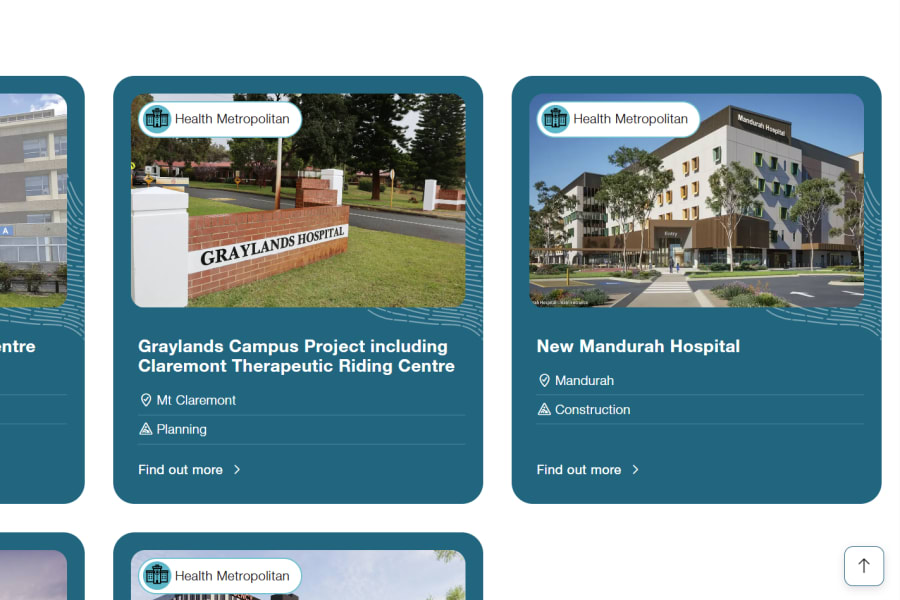
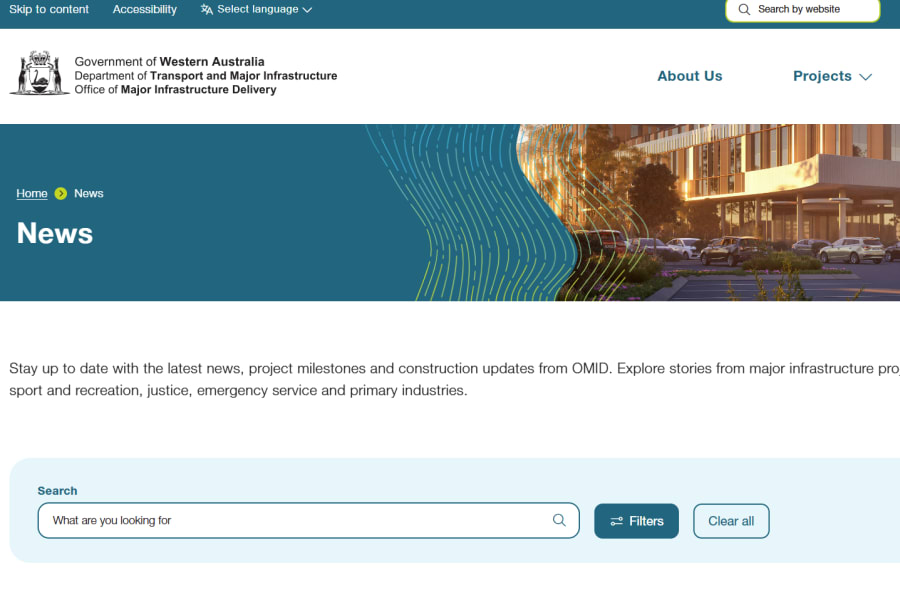
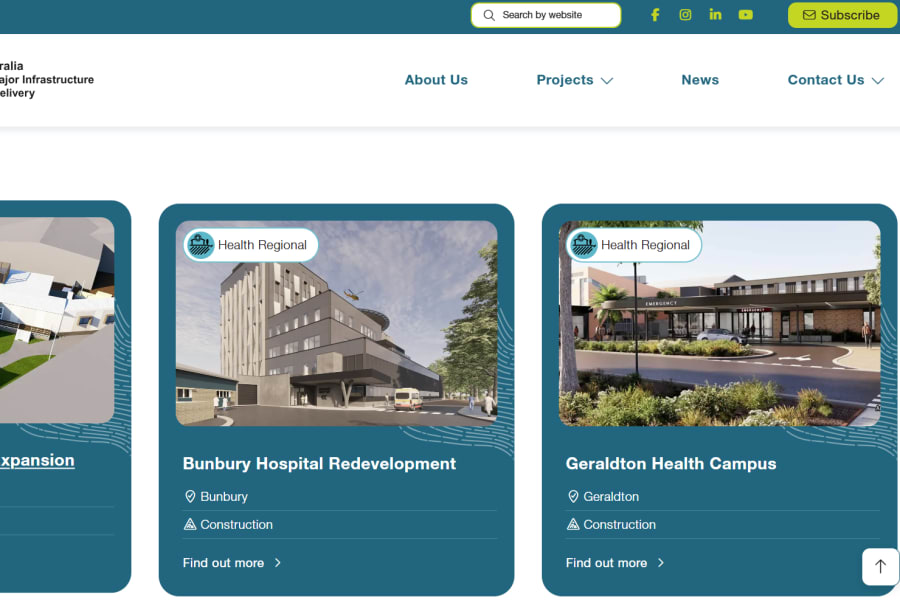
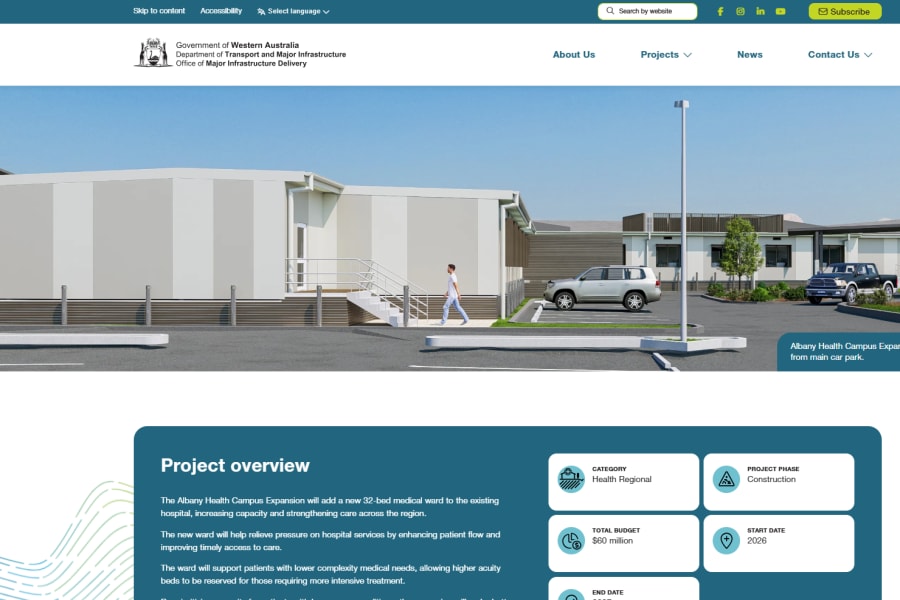
OMID, part of Western Australia's Department of Transport and Major Infrastructure, manages major projects across health, justice, arts and culture, sport, and emergency services. Working with ALYKA, they launched its first dedicated public website on Xperience by Kentico, after previously housing projects within a broader government site. Icon-based navigation lets visitors jump to a sector, projects can be viewed by status, and Google Maps adds location context without extra copy. Separate Content Hub workspaces for projects, news, and website content keep a large portfolio structured. Their site launched with a 91% accessibility score, including multilingual functionality. OMID was named Site of the Month in August 2026.


3. Clearview Federal Credit Union: WCAG 2.1 A/AA across a full digital branch
What they did: held a feature-rich banking redesign to WCAG 2.1 A/AA.
Get inspired: actively test interactive tools, like calculators, chat, and maps, against WCAG compliance.
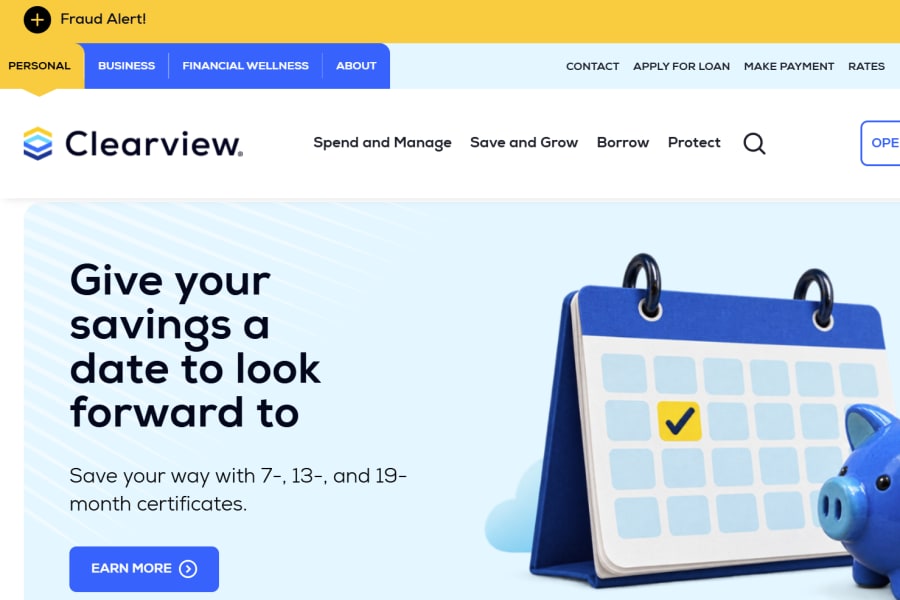
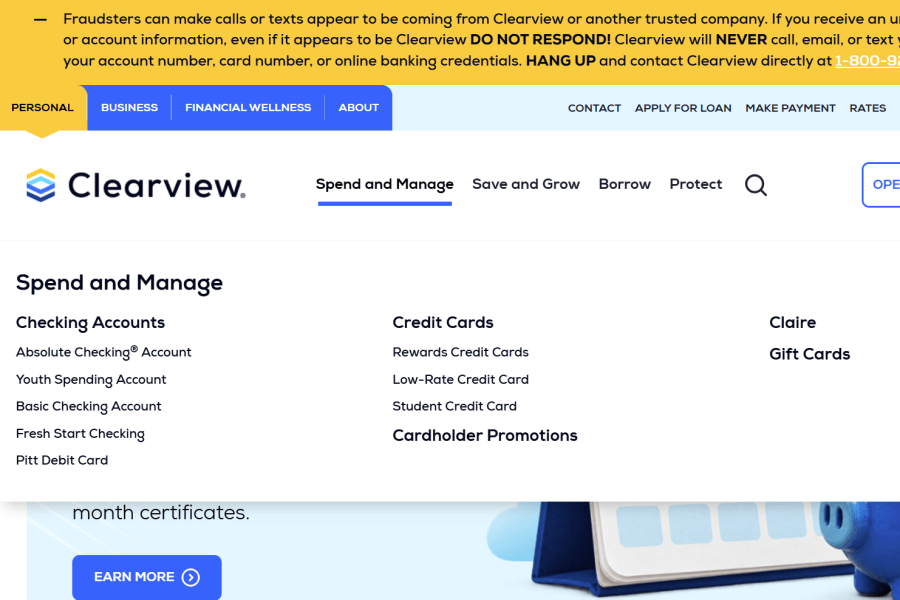
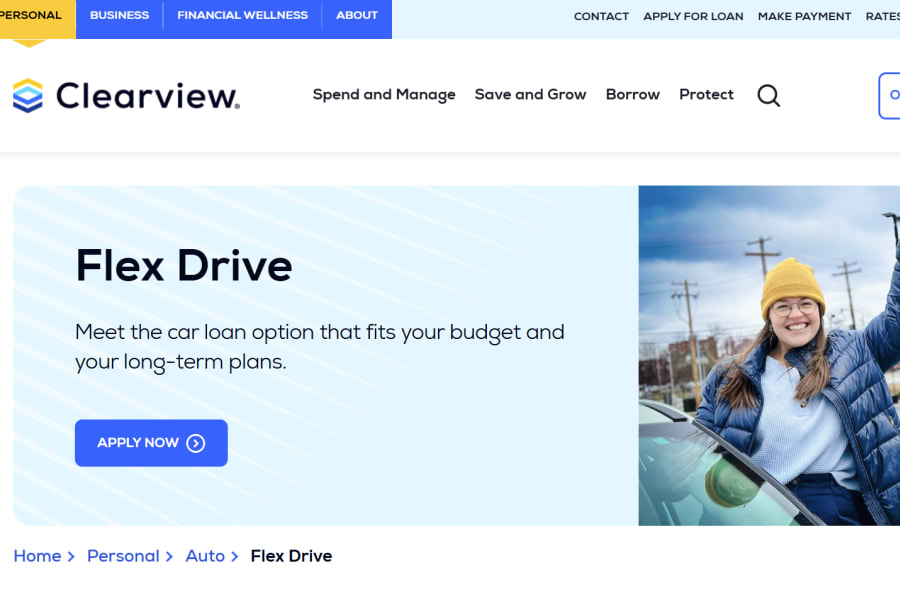
Clearview Federal Credit Union has served over 105,000 members across Southwestern Pennsylvania since 1953. Partnering with Americaneagle.com, they redesigned its website on Xperience by Kentico to support a 2030 growth vision. The project delivered WCAG 2.1 A/AA compliance alongside interactive loan and mortgage calculators, branch pages with manager details, a chatbot, and a video call contact option. The site follows a blue and yellow color scheme, which are accessible color choices for visitors with vision impairments. It also includes keyboard-accessible content, an online chat, and captioned videos for extra support. Transparent content and intuitive navigation make complex financial products easier for every member to compare. Clearview was named Site of the Month in March 2026.



4. QCEIDAH: easy reading for every visitor
What they did: designed content around the people the service exists for, beyond technical compliance.
Get inspired: offer content in more than one reading level, and model it as reusable content so every version stays in sync.
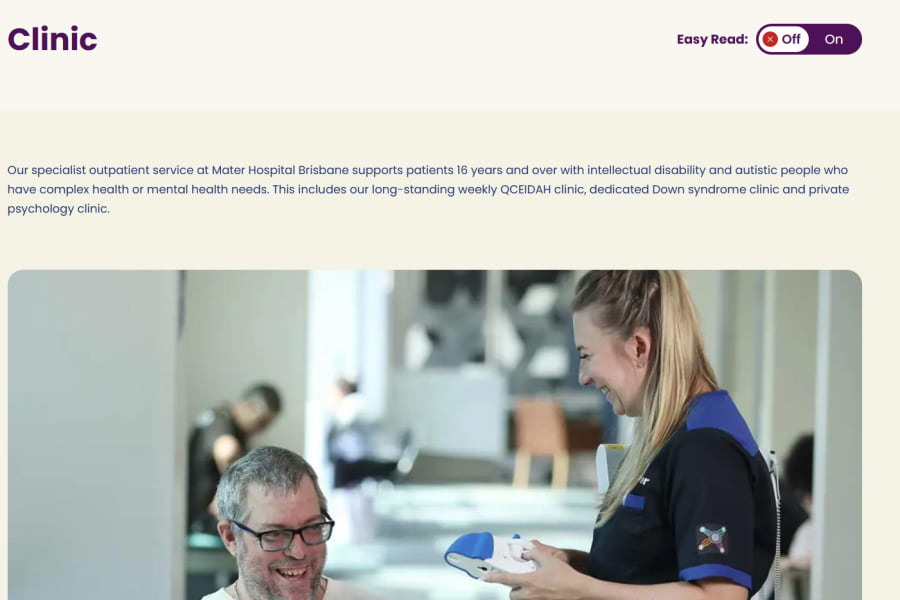
The Queensland Centre of Excellence in Intellectual Disability & Autism Health (QCEIDAH) is Queensland's only integrated intellectual disability and autism health service. Partnering with Zeroseven, they migrated from WordPress to Xperience by Kentico. The site offers "easy read" and "plain English" options to help visitors get simplified information. Additional video content, and tailored resources ensure visitors have everything they need, with clear referral, map, and contact pathways for patients, carers, and clinicians. Reusable content items and custom widgets will keep that experience consistent as content grows. QCEIDAH was named Site of the Month in January 2026.
5. Moose on the Loose: text-to-audio for young learners
What they did: added assistive technology that makes long-form learning content easier for students to follow.
Get inspired: the right integration can make a real difference.
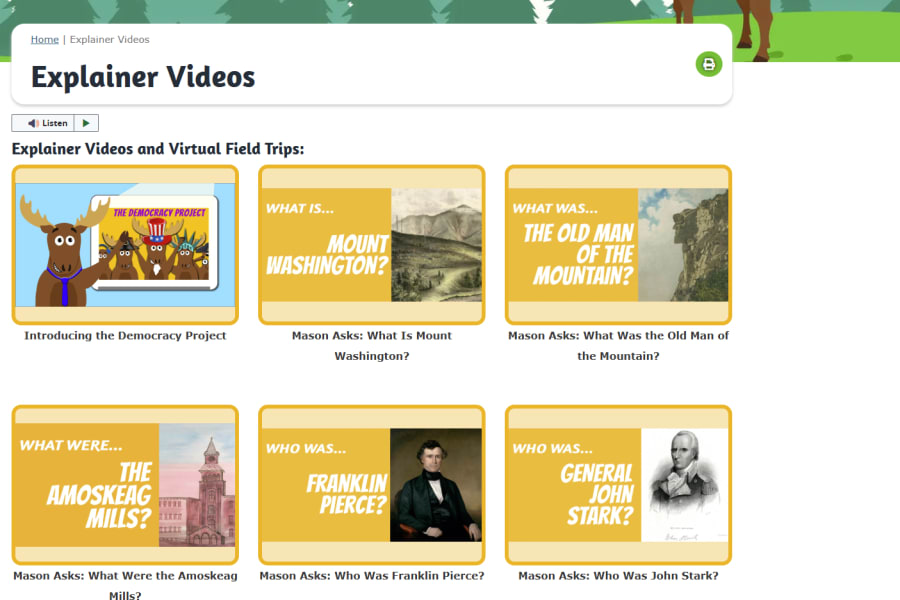
Moose on the Loose brings New Hampshire history to life for young students. Working with SilverTech, the team upgraded to the latest version of Xperience by Kentico while keeping the existing design. A ReadSpeaker integration reads content aloud with on-screen highlighting, so students can follow along word by word. Navigation and usability updates across the Media Library, Resources, and Learn It sections make a resource-heavy site easier to explore. Moose on the Loose was named Site of the Month in January 2026.


Built for compliance and care
Accessible websites aren't accessible forever after features are finished in a single sprint. They're maintained because the team has the right foundations: structured content, components that are accessible by default, and editing workflows that catch issues before publication. Xperience by Kentico provides those foundations, so every new page is automatically compliant from the beginning.
Curious what inclusive design looks like in your industry? Browse our customer stories for more sites built to welcome every visitor.
Frequently Asked Questions
Yes, one Xperience by Kentico instance can run several brands with shared governance. ASLA merged ASLA.org and its magazine site into a single multisite. Editors work from one place while role-based access keeps each brand's content under control.
Use mixed authentication, so public pages stay indexable while full content requires sign-in. CPA BC protects member content with role-based access tied to iMIS, and OVMA moved members-only content into its own portal menu.
Get ready for your upgrade
Upgrading from Kentico Xperience 13 to Xperience by Kentico gives your marketing and development teams a unified and future-proof platform with native AI that reduces complexity, and helps you create more impactful customer experiences.


